
AI for Small Restaurants: Why Smart Operators Are Quietly Adopting AI in 2026
For years, AI in restaurants was seen as something only large chains could afford.
That’s no longer true.
Today, some of the most efficient small restaurants are using AI—not to replace staff, but to make better decisions, reduce waste, and improve margins.
Because in small operations, every mistake costs more.
Over-ordering stock, running ineffective promotions, or missing customer opportunities—these are the gaps AI is designed to fix.
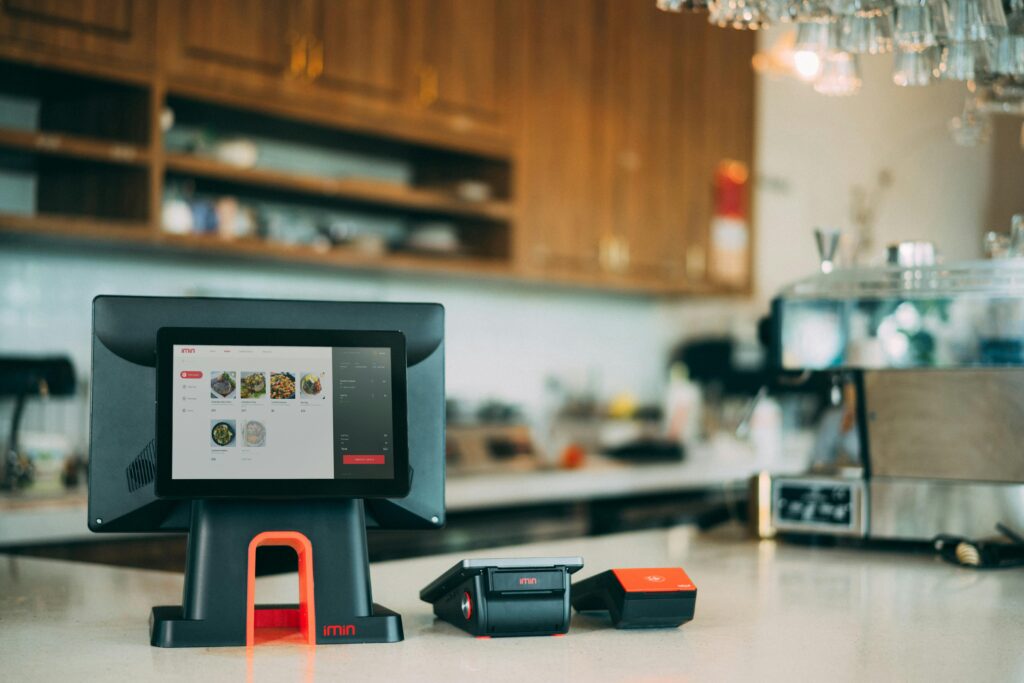
What AI for Small Restaurants Actually Means
AI for small restaurants isn’t about complex systems or expensive infrastructure.
It’s about using affordable tools that:
- Analyze your data
- Automate repetitive tasks
- Improve decision-making
Most of these tools integrate with systems you already use—like POS or ordering platforms.
According to McKinsey & Company, businesses that adopt data-driven decision-making outperform competitors in efficiency and profitability.
7 Practical Ways Small Restaurants Can Use AI to Increase Profit
1. Predict Daily Demand Instead of Guessing
Small restaurants often rely on instinct for planning.
AI changes that.
It analyzes:
- Past sales
- Day-of-week trends
- Seasonal patterns
And predicts what you’re likely to sell.
This reduces:
- Overstocking
- Stockouts
- Last-minute chaos
How restaurants use AI for demand forecasting
2. Reduce Food Waste Through Smarter Inventory Decisions
Food waste is one of the biggest hidden costs.
AI tools identify:
- Slow-moving ingredients
- Over-ordering patterns
- Usage inefficiencies
Allowing you to optimize purchasing.
How inventory software reduces food waste
3. Automate Marketing Without Hiring More Staff
Most small restaurants:
- Run random promotions
- Don’t track results
AI marketing tools can:
- Target repeat customers
- Automate campaigns
- Personalize offers
According to HubSpot, businesses using automation see higher engagement and conversion rates.
Best AI tools for restaurant marketing
4. Improve Customer Experience with Chat Automation
Customers expect fast responses.
AI chatbots can:
- Answer queries instantly
- Handle reservations
- Guide orders
This improves customer satisfaction without increasing workload.
5. Identify High-Profit Menu Items
Not all popular items are profitable.
AI analytics helps you:
- Identify high-margin dishes
- Spot underperforming items
This leads to better menu decisions.
Restaurant menu engineering guide
6. Optimize Staff Scheduling
Labor is one of the biggest costs.
AI can predict:
- Busy hours
- Slow periods
Helping you schedule efficiently and avoid overstaffing.
7. Make Data-Driven Decisions (Without Complexity)
Instead of:
- Guessing
- Relying on intuition
AI gives:
- Clear insights
- Actionable recommendations
According to Harvard Business Review, companies using data-driven strategies consistently outperform competitors.
Best AI Tools for Small Restaurants (Affordable Options)
Here are practical tools that don’t require big budgets:
- Tidio → chatbot automation
- Mailchimp → marketing automation with AI features
- Zoho CRM → customer management + automation
- Square POS → built-in analytics and insights
Best restaurant POS systems for small businesses
How to Start Using AI in a Small Restaurant (Step-by-Step)
Most restaurants fail by trying to implement too much at once.
Start simple:
- Identify one problem (inventory, marketing, or demand)
- Choose one tool
- Track results weekly
- Expand gradually
Even one improvement can significantly impact margins.
Common Mistakes to Avoid
- Thinking AI is too expensive
- Implementing too many tools at once
- Ignoring data quality
- Not training staff
Keep it simple and focused.
Final Takeaway
AI is no longer a luxury for large chains.
It’s becoming a practical tool for small restaurants to:
- Reduce costs
- Improve efficiency
- Increase profitability
The restaurants that adopt early will operate smarter—not harder.