Walk into a restaurant at 7 PM on a Friday and you’ll likely pay full price. Order the same dish at 3 PM on a Tuesday, and suddenly there’s a “special deal.”
That gap?
It’s no longer guesswork—it’s becoming data-driven pricing powered by AI.
Restaurants are quietly shifting from static menus to dynamic pricing models, where prices adapt based on demand, time, and customer behavior. And no, this isn’t just for airlines anymore.
What Is Dynamic Pricing in Restaurants?
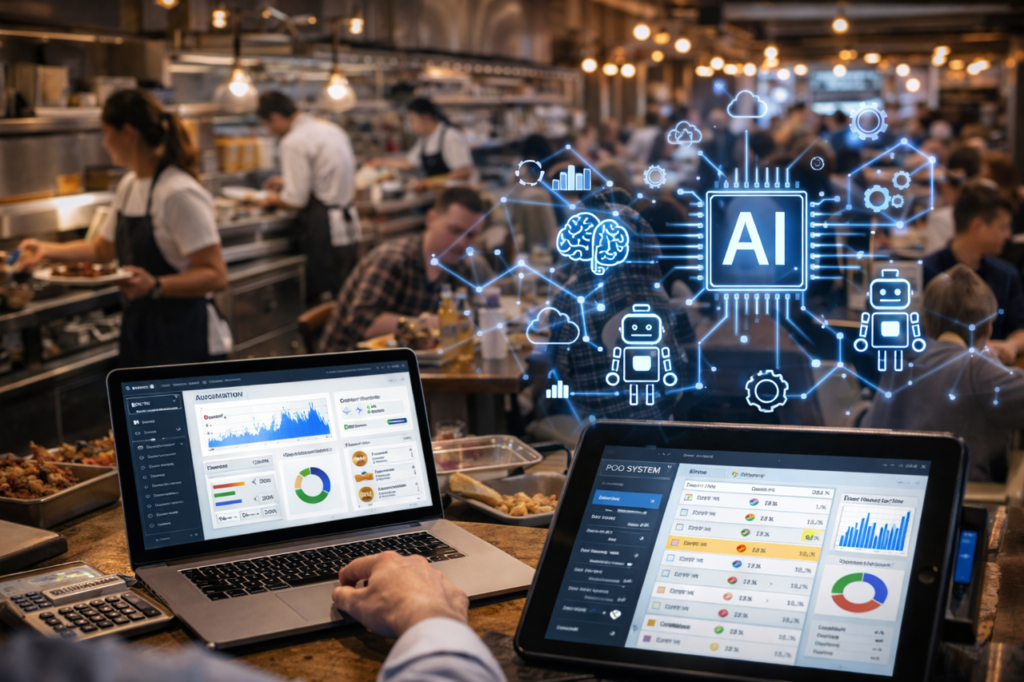
Dynamic pricing means adjusting menu prices in real time (or near real time) based on factors like:
- Demand (peak vs off-peak hours)
- Inventory levels
- Customer ordering patterns
- Location and traffic
- Weather or events
Instead of one fixed price, restaurants use smart systems to optimize margins without killing demand.
Think of it like this:
- Low traffic hour → lower price → attract orders
- High demand period → higher price → maximize revenue
Simple concept. Powerful impact.
Why Restaurants Are Moving Toward AI-Based Pricing
Most restaurants still price menus using:
- Competitor benchmarks
- Cost + margin formulas
- Gut feeling
The problem? These methods don’t adapt.
AI changes that completely.
1. Demand Prediction (Before It Happens)
AI analyzes historical data to forecast:
- When demand will spike
- Which items will sell more
- Which time slots are underperforming
Instead of reacting, restaurants start pricing proactively.
2. Smarter Profit Margins
Not all items deserve the same margin.
AI helps identify:
- High-demand items → increase price slightly
- Low-performing items → discount strategically
- Combo opportunities → boost average order value
This is basically menu engineering on steroids.
3. Real-Time Adjustments
Imagine this:
- Rain starts → delivery demand spikes
- Nearby event ends → walk-ins increase
- Inventory of chicken is running low
AI systems can adjust pricing dynamically to respond instantly.
No manual intervention needed.
Where Dynamic Pricing Is Already Happing
Food Delivery Platforms

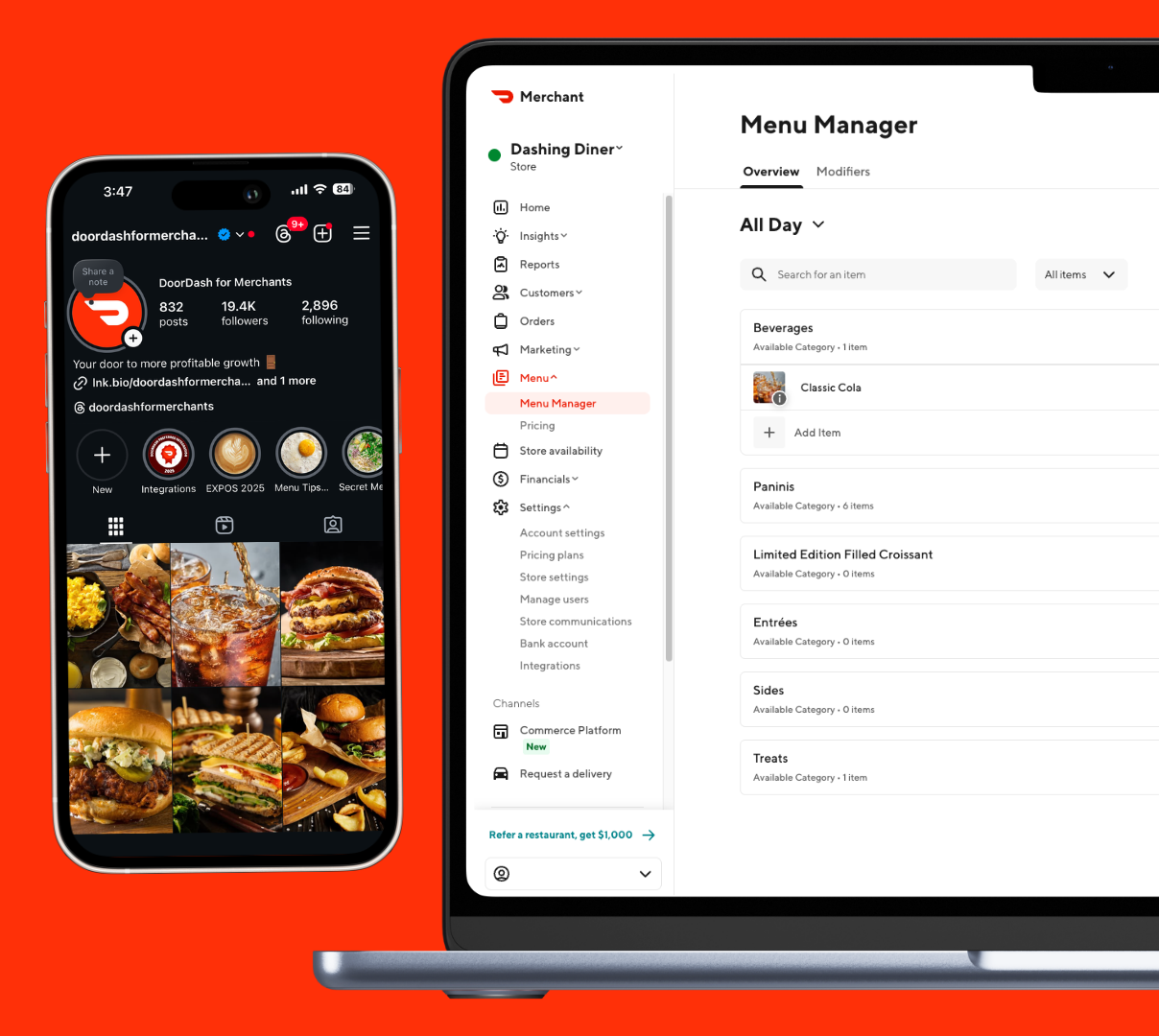

Platforms like Uber Eats and DoorDash already use:
- Surge pricing during peak hours
- Delivery fee variations
- Promotions during low demand
Restaurants plugged into these platforms are already experiencing dynamic pricing—whether they realize it or not.
QSR Chains & Smart POS Systems

Large chains like McDonald’s have experimented with:
- Digital menu boards
- Location-based pricing
- Time-based promotions
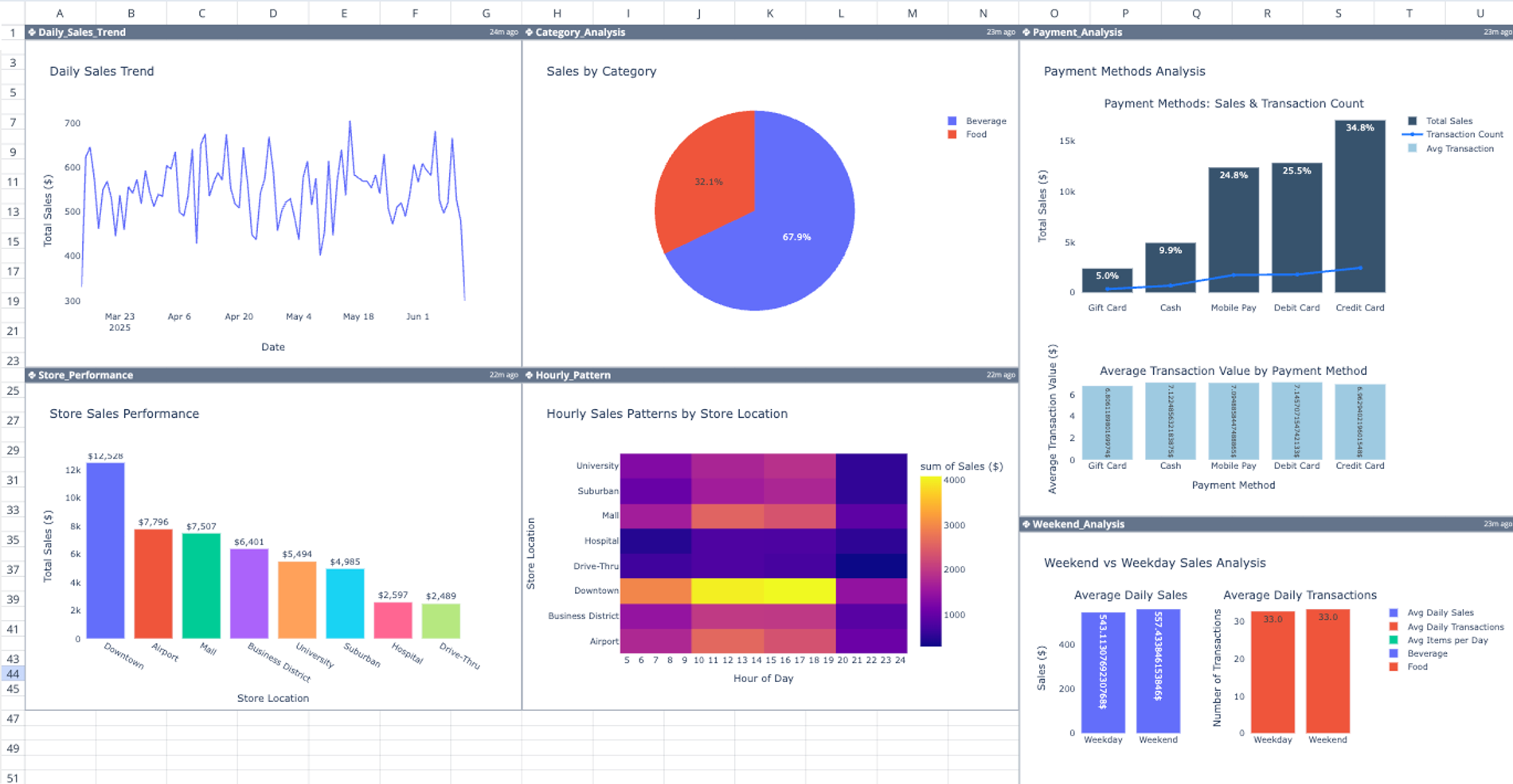
Modern POS systems now integrate AI to recommend pricing adjustments automatically.
Real Examples of Dynamic Pricing in Action
Let’s break it down practically:
Example 1: Lunch Slow Hours
- Time: 3 PM – 5 PM
- Demand: Low
- AI Action: 15% discount on selected items
Result: Increased orders + better kitchen utilization
Example 2: Weekend Rush
- Time: Friday 8 PM
- Demand: Very high
- AI Action: Remove discounts or slightly increase prices
Result: Higher margins without losing demand
Example 3: Inventory Optimization
- Excess stock of a specific item
- AI pushes it via:
- Discounts
- Combo deals
- Highlighted placement
Result: Reduced waste + increased sales
Benefits of AI Pricing for Restaurants
1. Higher Revenue Without More Customers
You’re not chasing traffic—you’re extracting more value from existing demand.
2. Better Inventory Management
Pricing becomes a tool to control stock movement, not just revenue.
3. Improved Customer Targeting
AI can personalize offers:
- Discounts for price-sensitive users
- Premium pricing for high-frequency buyers
4. Increased Average Order Value (AOV)
Dynamic bundles and pricing nudges push customers to spend more.
The Risk: Customer Perception
Let’s be real—this can backfire if done poorly.
Customers may feel:
- “Why is this more expensive today?”
- “This feels unfair”
That’s why smart restaurants:
- Use subtle price changes (not drastic jumps)
- Focus on offers instead of visible price hikes
- Keep pricing transparent where needed
Tools That Enable AI-Based Pricing
If you’re writing for your site categories, this ties perfectly into:
- Restaurant POS Systems
- Restaurant AI Tools
- Restaurant Automation
Some platforms to explore:
- Toast
- Square
- Deliverect
These tools don’t always call it “dynamic pricing,” but they provide the data layer needed to make it happen.
Should Small Restaurants Use Dynamic Pricing?
Short answer: Yes—but in a simplified way.
You don’t need complex AI models to start.
You can begin with:
- Time-based discounts
- Combo pricing during slow hours
- Delivery vs dine-in pricing differences
- Weekend vs weekday adjustments
That’s already entry-level dynamic pricing.
The Future: Fully Automated Pricing
We’re heading toward a system where:
- Prices adjust automatically
- Offers are personalized per customer
- Menus become fluid instead of fixed
Restaurants that adopt this early will have a serious competitive advantage—especially in delivery-heavy markets.
Final Take
Dynamic pricing isn’t about charging more.
It’s about charging smart.
AI gives restaurants the ability to:
- Predict demand
- Adjust pricing in real time
- Maximize margins without hurting experience
And in a low-margin business like food…
that’s not optional anymore—it’s a growth lever.
Related Restaurant Technology Guides: