Restaurants aren’t losing customers.
They’re losing margins — one delivery order at a time.
Third-party delivery platforms helped restaurants survive. But in 2026, they’ve also become one of the biggest drains on profitability. Commissions, lack of customer ownership, and limited control have pushed operators to rethink their strategy.
That’s where online ordering systems come in.
Modern restaurants are shifting toward direct ordering platforms — tools that allow them to take control of their customer relationships, reduce dependency on aggregators, and improve margins without sacrificing convenience.
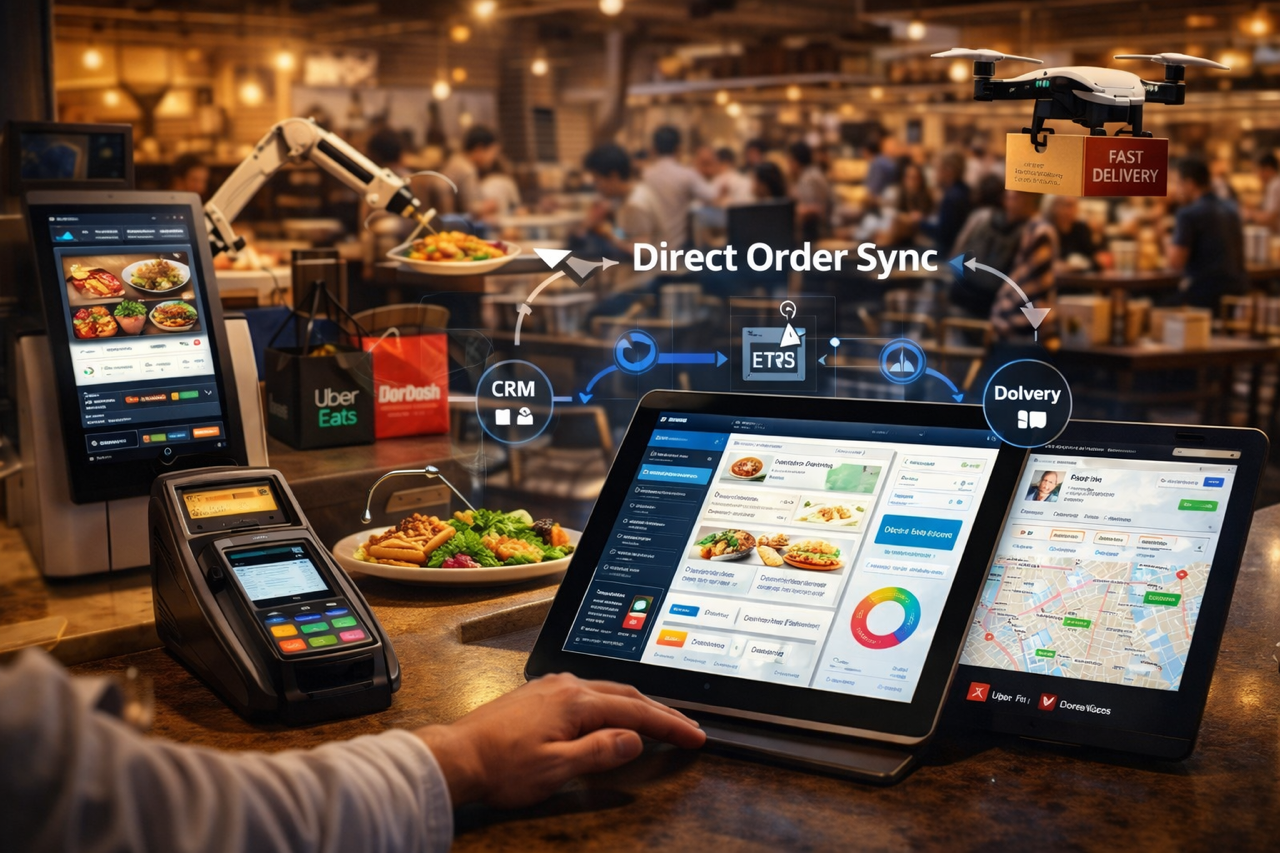
What is an Online Ordering System?
An online ordering system allows customers to place orders directly from a restaurant’s website, app, or digital interface.
Instead of relying solely on marketplaces, restaurants can:
- Accept orders directly
- Manage menus in real time
- Integrate with POS and kitchen systems
- Control pricing, promotions, and customer data
In simple terms, it’s your direct-to-customer sales channel.
Why Online Ordering Matters in 2026
Customer behavior has changed permanently.
Ordering online is no longer optional — it’s expected.
But the shift in 2026 is not about whether to offer online ordering.
It’s about who owns the order.
Restaurants using their own systems:
- Avoid high commission fees
- Build direct customer relationships
- Capture valuable customer data
- Improve long-term profitability
Key Features to Look For
Not all systems are built the same. Here’s what actually matters:
1. Direct Website & App Ordering
Customers should be able to order directly without friction.
2. POS Integration
Orders should automatically sync with your POS system to avoid manual errors.
3. Menu & Pricing Control
Real-time updates across all channels.
4. Delivery & Pickup Flexibility
Support for both in-house delivery and third-party integrations.
5. Customer Data & CRM
Access to order history, preferences, and contact details.
6. Payment Integration
Secure, seamless payment options across platforms.
Best Online Ordering Systems for Restaurants in 2026
1. Toast Online Ordering
A powerful extension of Toast POS with seamless integration and strong performance.
2. Square Online
Ideal for small to mid-sized restaurants looking for simplicity and quick setup.
3. ChowNow
Focused on commission-free ordering and direct customer ownership.
4. GloriaFood
A popular choice for independent restaurants with free core features.
5. Deliverect
Best for managing and syncing multiple delivery platforms alongside direct orders.
6. Flipdish
Strong in branding, mobile apps, and customer retention tools.
7. Restolabs
A growing platform focused on helping restaurants build their own ordering ecosystem.
Direct Ordering vs Aggregators: The Real Difference
This is where most restaurant owners make critical decisions.
Third-party platforms:
- Bring visibility
- Provide access to a large customer base
- Charge high commissions
Direct ordering systems:
- Lower long-term costs
- Build brand loyalty
- Give full control over customer experience
The smartest restaurants in 2026 are not choosing one over the other.
They are balancing both strategically.
How Online Ordering Impacts Profitability
The impact is immediate and measurable:
- Reduced commission costs
- Higher repeat customer rates
- Better control over promotions
- Increased average order value
Even shifting a portion of orders to direct channels can significantly improve margins.
Who Should Use Online Ordering Systems?
These systems are valuable for:
- Small and independent restaurants
- Cloud kitchens
- Quick service brands
- Multi-location businesses
If your restaurant depends on delivery or takeaway, this is no longer optional.
Final Thoughts
Online ordering is no longer just about convenience.
It’s about control.
Restaurants that build their own ordering channels are not just improving operations — they are securing their future profitability.
Because in 2026, the real competitive advantage isn’t just getting orders.
It’s owning them. For more details: Best Restaurant Automation Software in 2026 (Complete Guide)