Most restaurants don’t lose money because of low sales.
They lose money because of leaks.
Small leaks—food waste, over-portioning, inefficient staffing, poor inventory control—quietly eat away margins every single day.
And in 2026, with rising food prices and tighter margins, cost control is no longer optional—it’s survival.
Here’s how smart restaurants are reducing food and operational costs without compromising quality.
1. Fix Food Cost Leakage (The Biggest Profit Killer)


Food cost should be predictable. In most restaurants—it isn’t.
Where leakage happens:
- Over-portioning
- Untracked wastage
- Recipe inconsistency
- Pilferage (yes, it happens)
What to do:
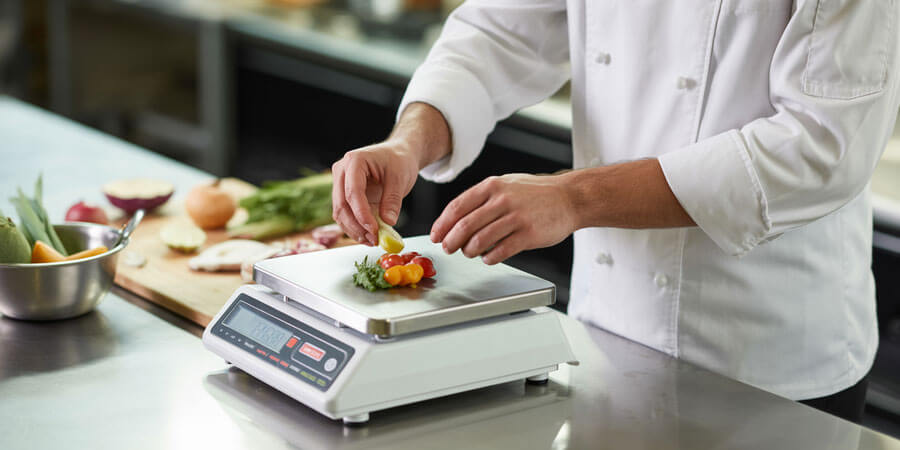
- Standardize recipes with exact gram measurements
- Use digital scales in prep areas
- Track daily waste (not weekly)
- Audit high-cost items regularly
Pro insight:
Even a 2–3% reduction in food cost can significantly boost your net profit.
2. Use Inventory Management Systems (Not Excel Guesswork)
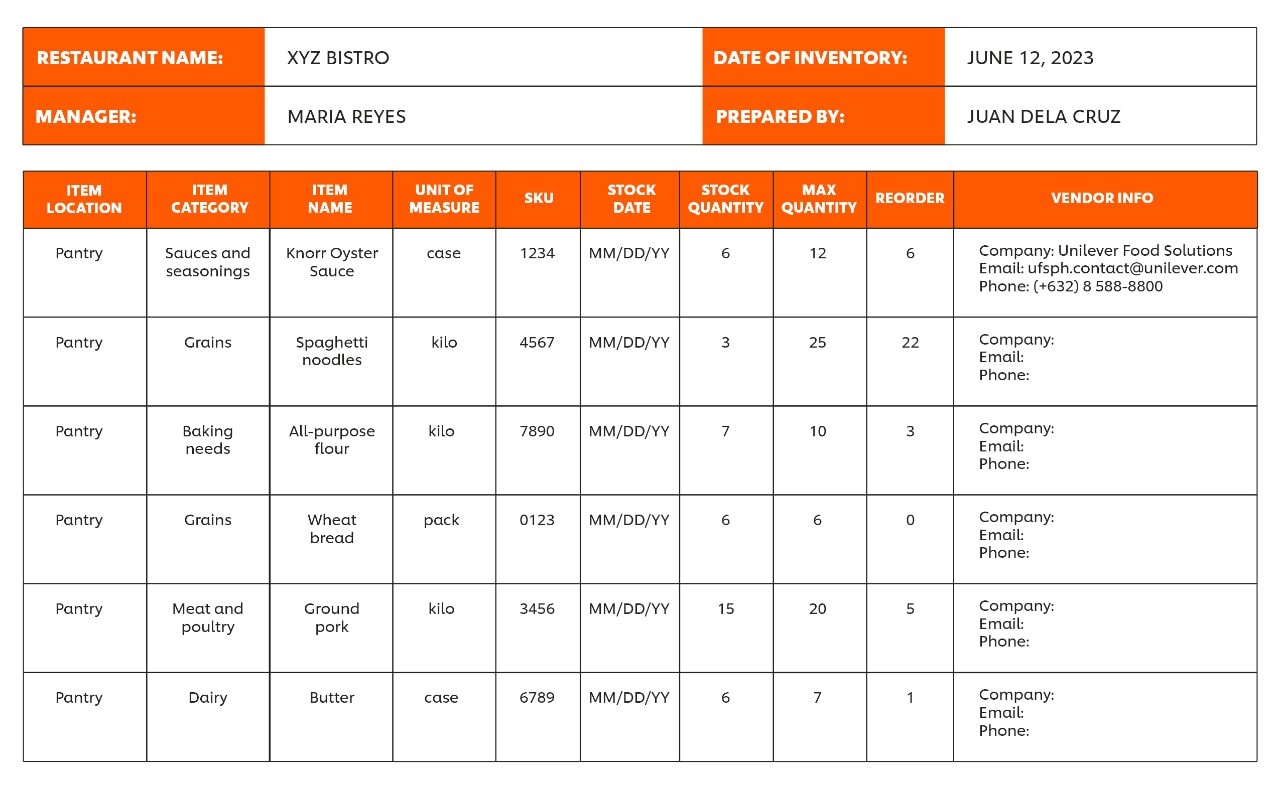

Manual inventory tracking is one of the biggest blind spots in restaurants.
Common problems:
- Stockouts during peak hours
- Over-ordering → wastage
- No real visibility on usage
Fix:
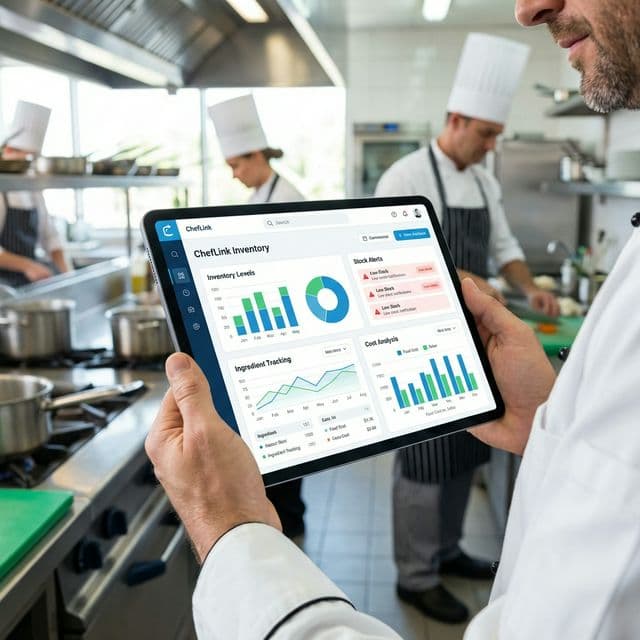
Adopt inventory tools or POS integrations that:
- Track ingredient-level consumption
- Alert low stock in real time
- Connect sales with inventory
This is where tools like Toast and Square quietly become powerful—they connect your sales directly to your stock.
3. Menu Engineering: Cut What Doesn’t Sell
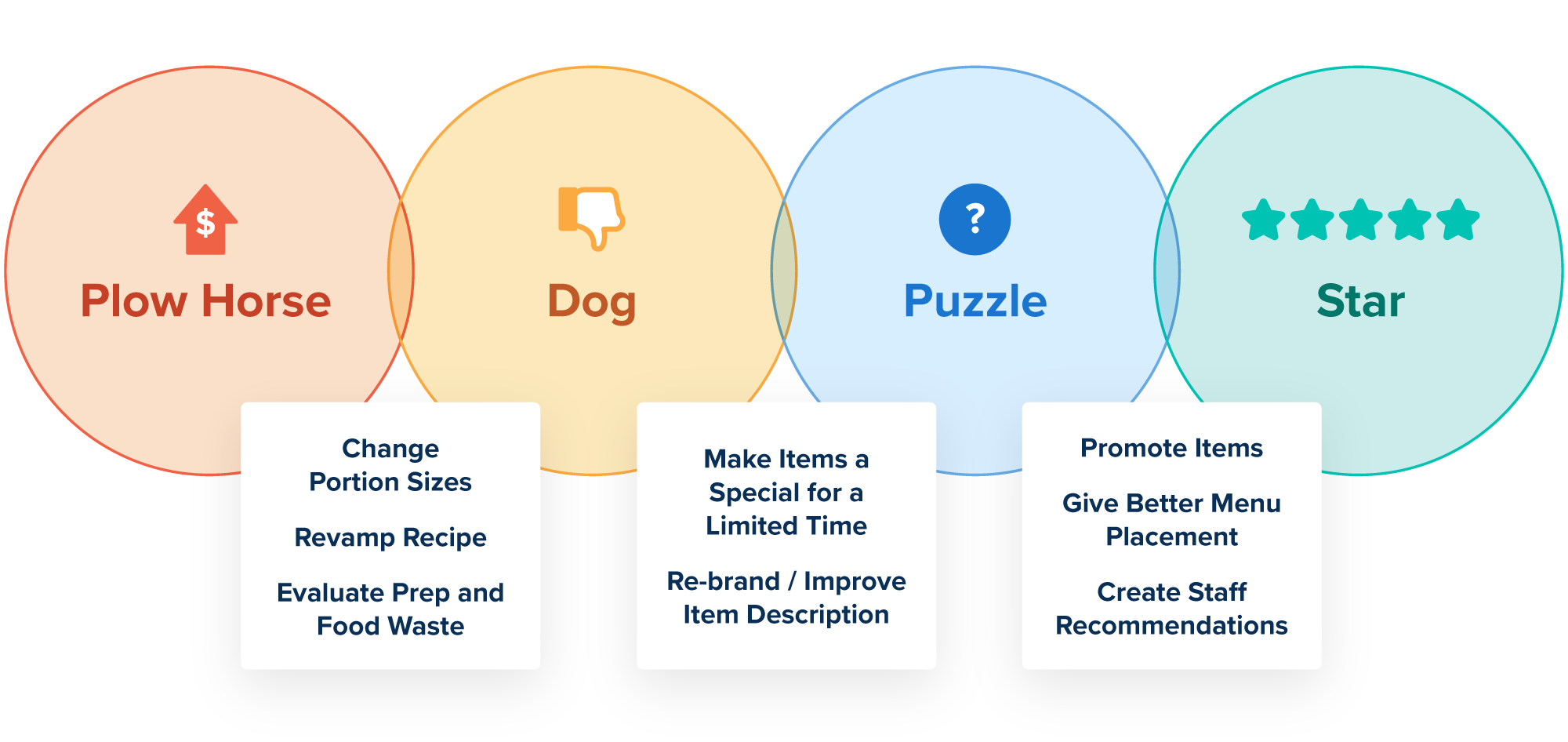

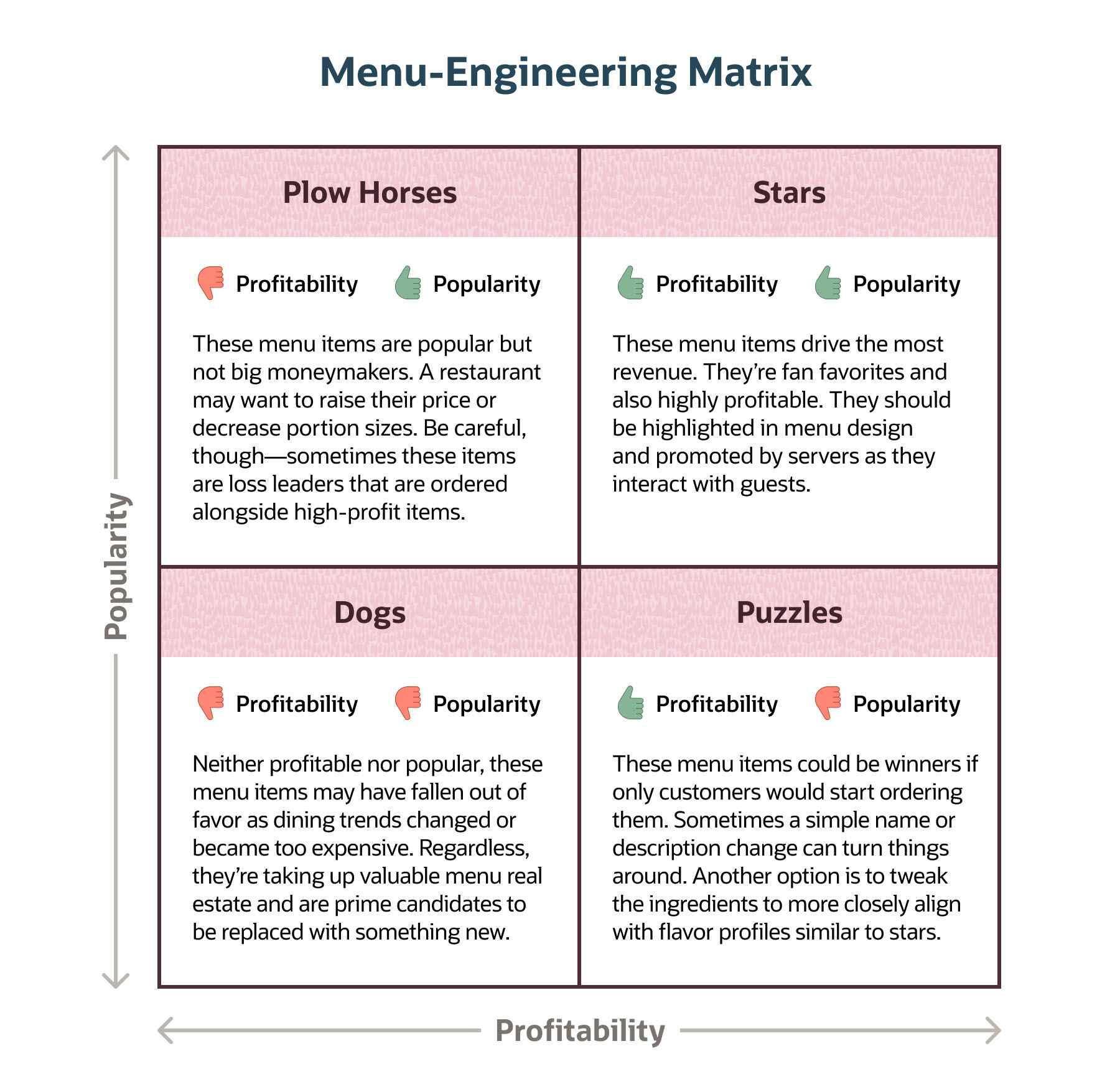
Not every item deserves to stay on your menu.
Use this simple framework:
- High profit + high sales → Keep & promote
- High profit + low sales → Improve visibility
- Low profit + high sales → Optimize cost
- Low profit + low sales → Remove
Why this matters:
Every underperforming item adds:
- Complexity
- Inventory cost
- Kitchen inefficiency
Cutting just 2–3 weak items can improve margins more than increasing prices.
4. Control Portion Sizes Without Hurting Experience
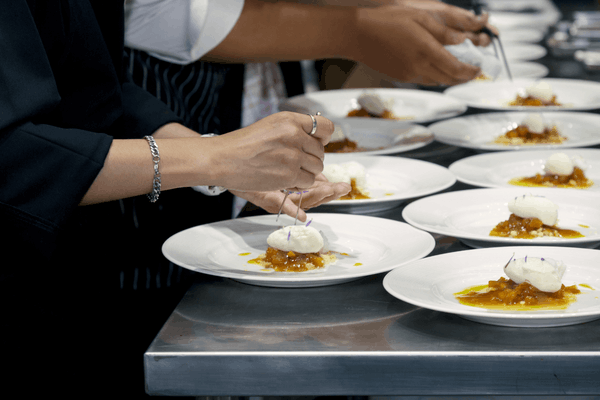
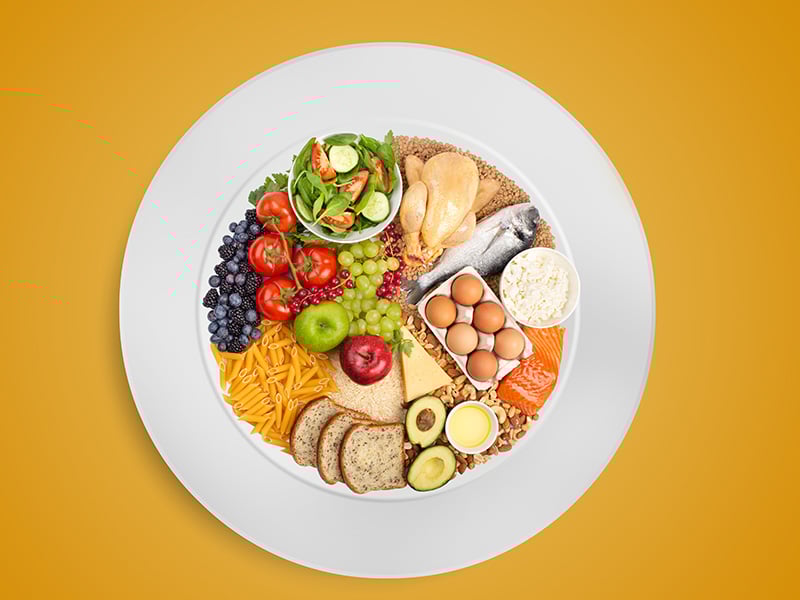
This is where most restaurants are afraid to act.
But portion control ≠ smaller food
It means consistent food.
Fix:
- Define exact portion sizes
- Train kitchen staff strictly
- Use portioning tools (scoops, ladles, scales)
Consistency builds trust—and protects your margins.
5. Optimize Staff Scheduling (Labor Is Your #2 Cost)
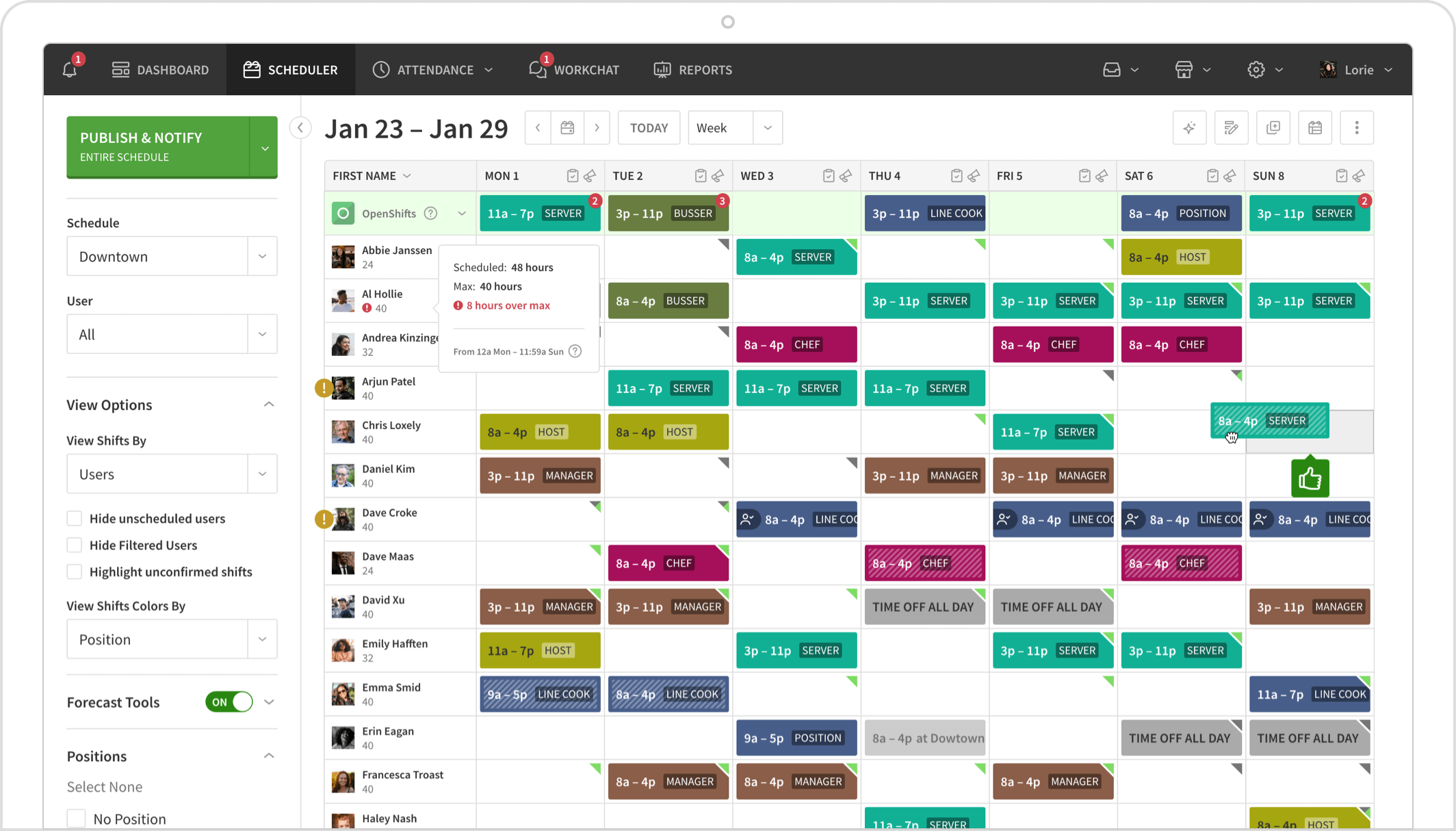
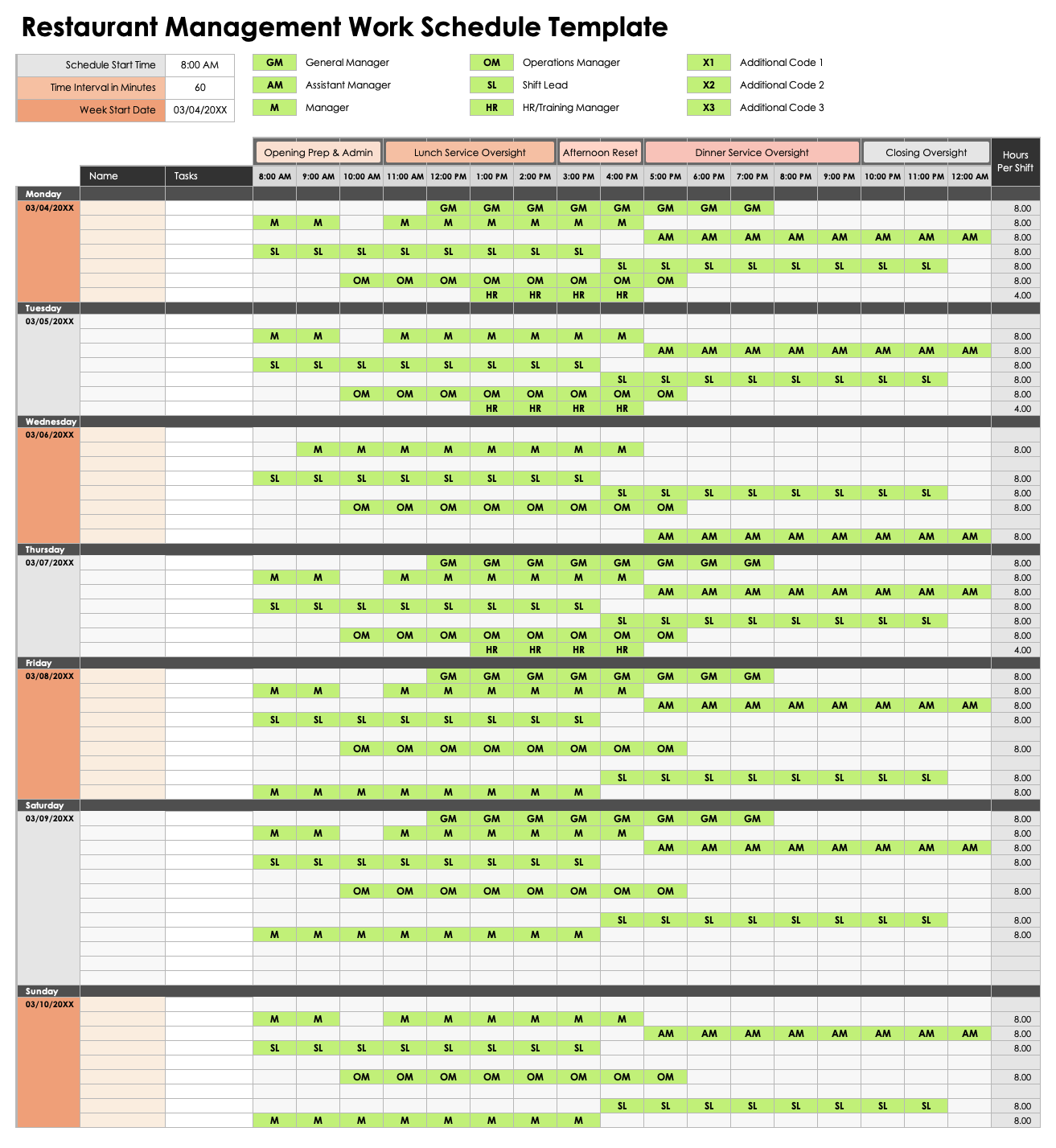

Overstaffing and understaffing both cost you money.
Common issue:
Schedules are based on habit—not demand.
Fix:
Use data to align staffing with:
- Peak hours
- Day-wise trends
- Seasonal patterns
AI-driven scheduling tools can forecast demand and suggest optimal staffing levels—reducing idle time without hurting service.
6. Reduce Food Waste with Smart Forecasting
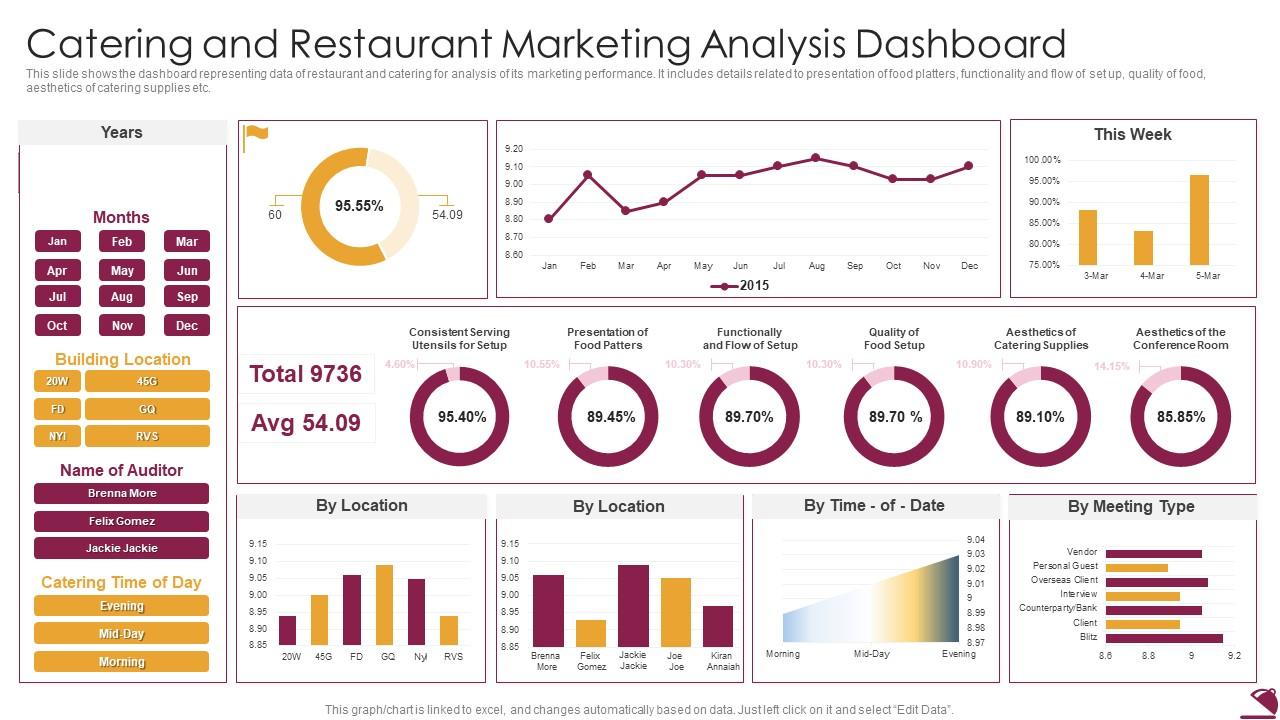
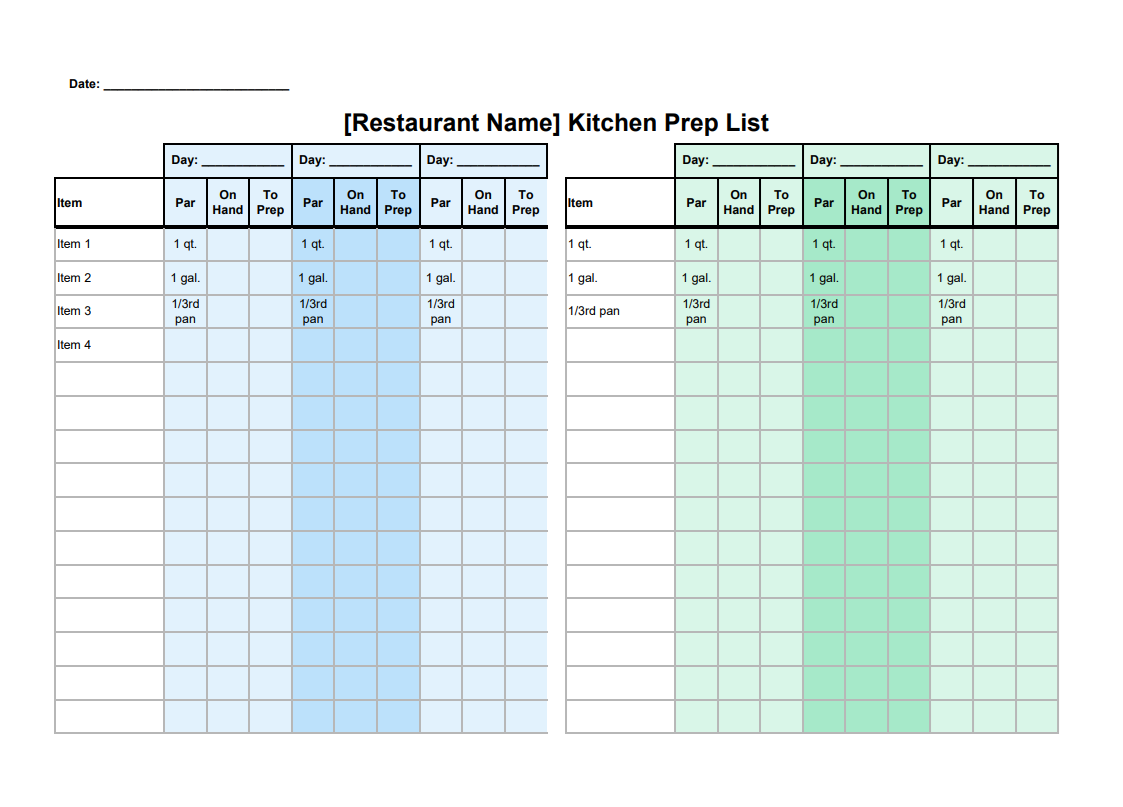

Over-prepping = waste
Under-prepping = lost sales
Fix:
Use historical sales data to:
- Predict daily demand
- Adjust prep quantities
- Reduce overproduction
This is where AI tools are becoming game-changers—forecasting demand more accurately than human estimation.
7. Negotiate Smarter with Suppliers

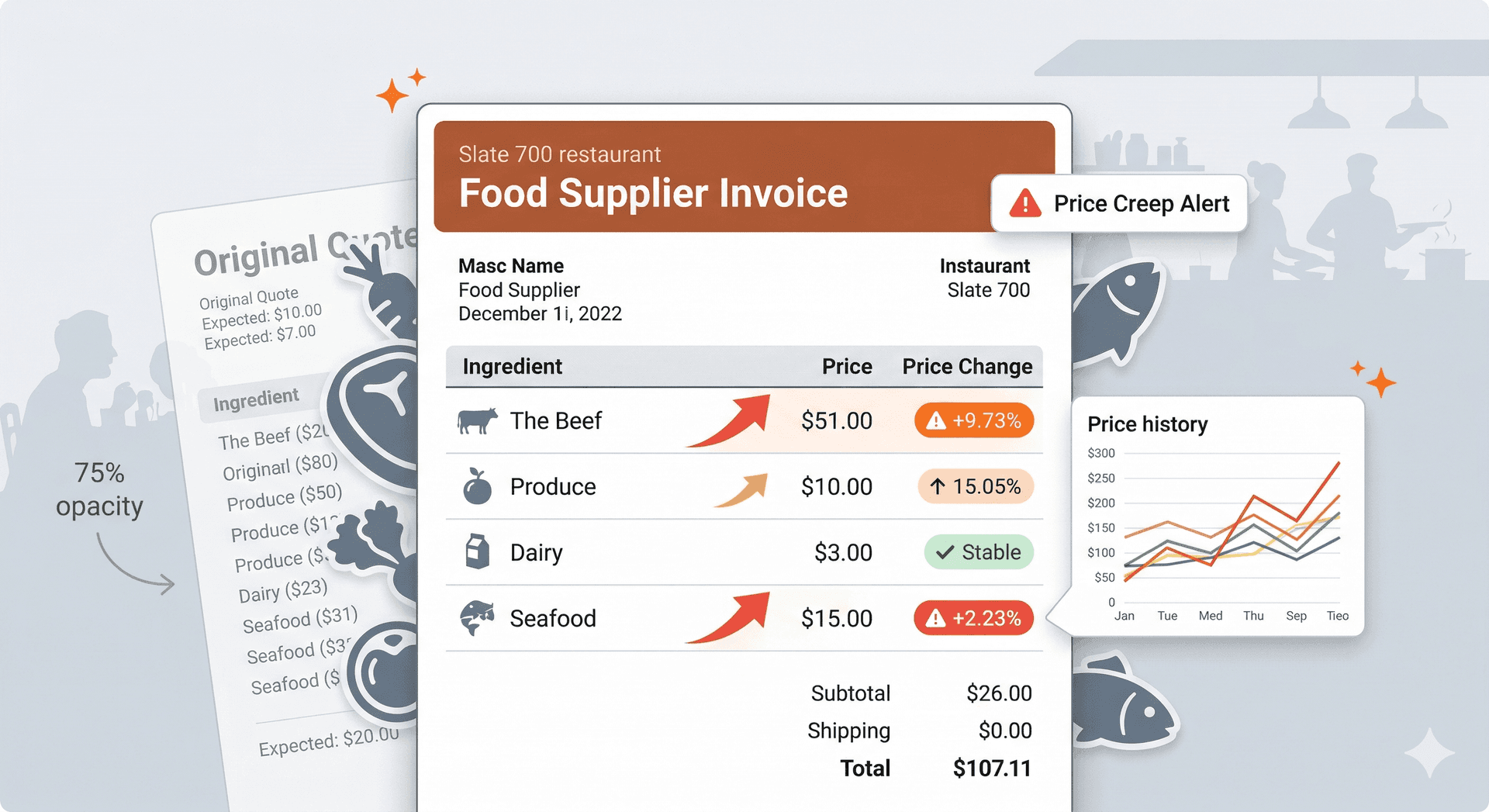
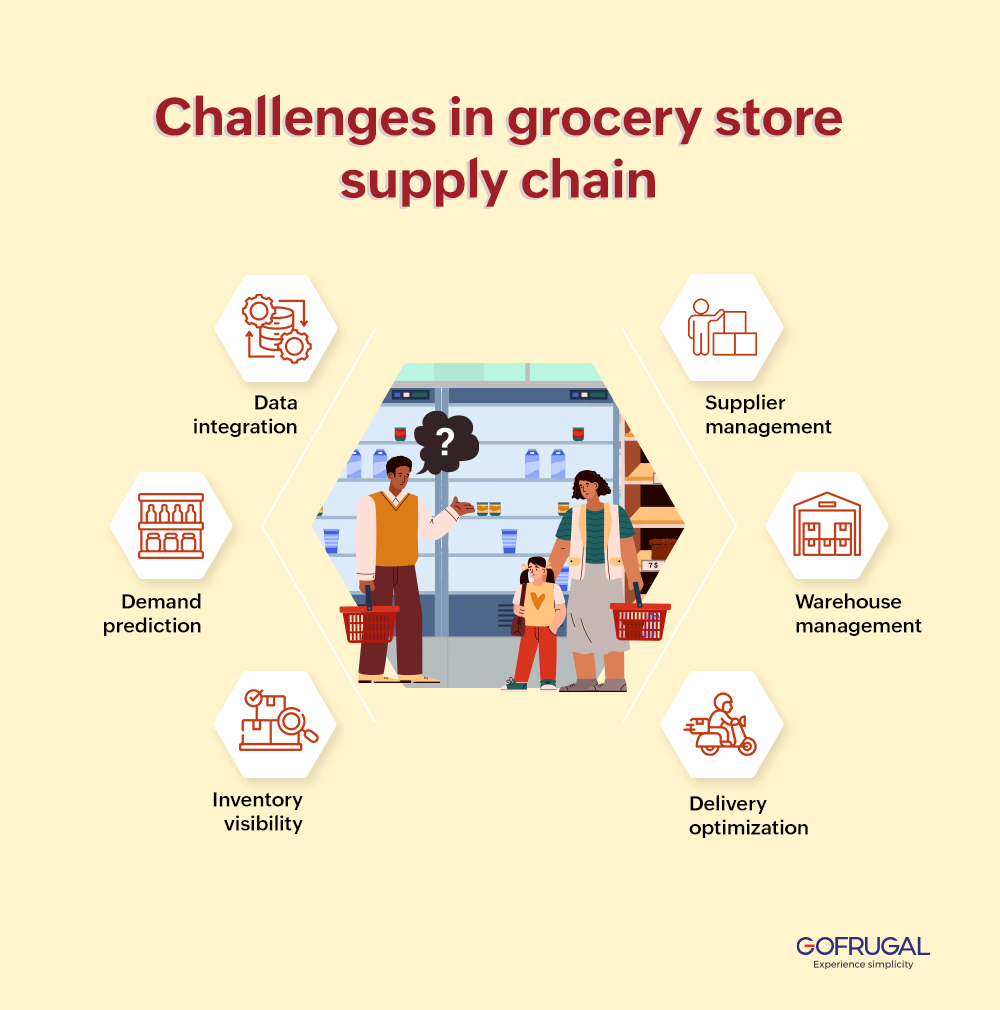
Most restaurants accept supplier prices as fixed.
They’re not.
What you should do:
- Compare multiple vendors
- Negotiate based on volume
- Lock rates for key items
- Review pricing quarterly
Given your background—you already know this:
procurement strategy = margin strategy
8. Control Utility & Operational Costs
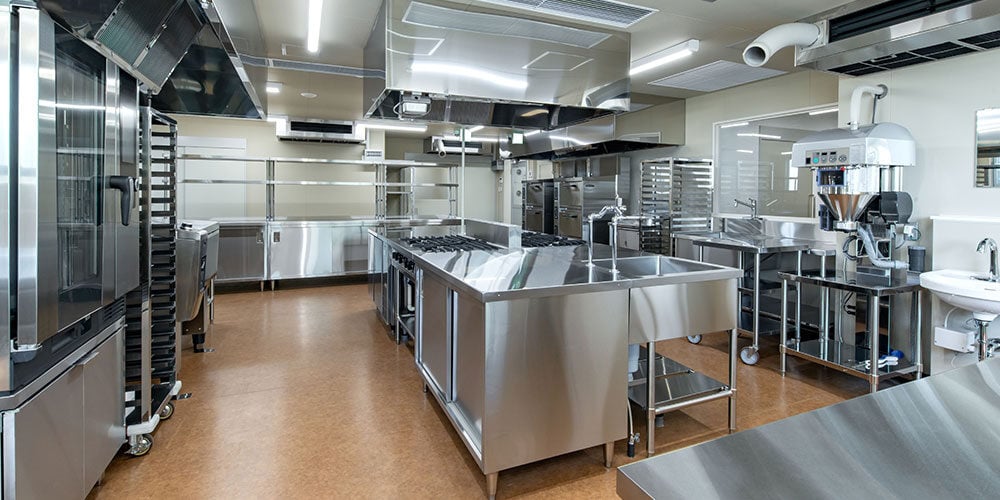
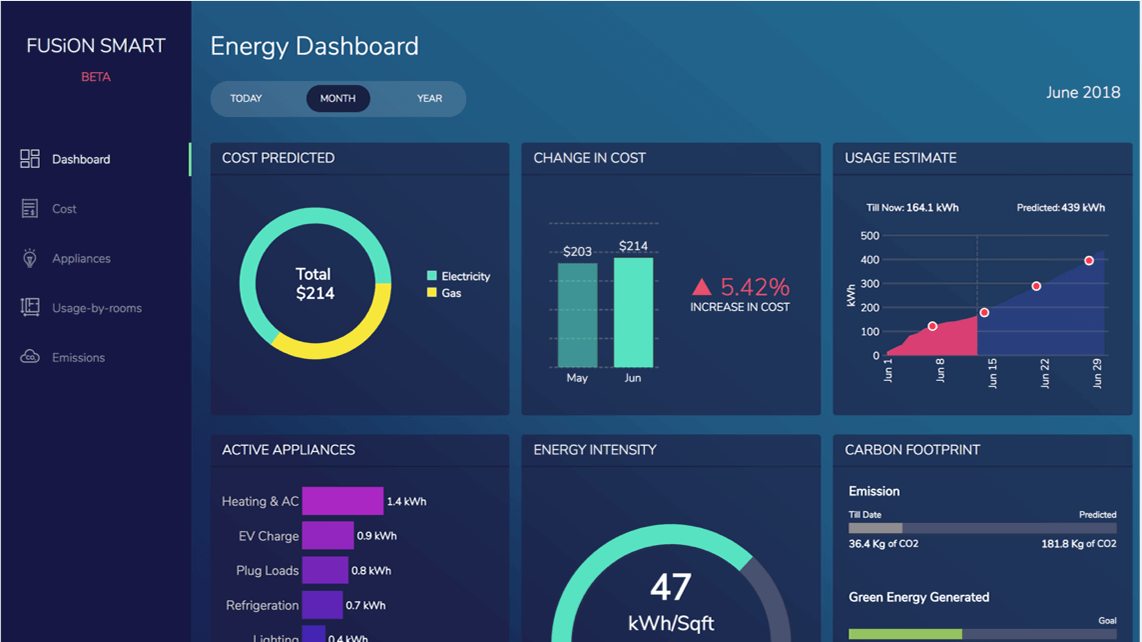

Utilities quietly drain profits.
Focus areas:
- Energy-efficient equipment
- Preventive maintenance
- Monitoring electricity usage
Even small improvements here compound over time.
9. Use Technology to Automate Repetitive Tasks
Manual processes cost both time and money.
Examples:
- Automated inventory tracking
- Integrated POS + delivery systems
- Digital ordering
Platforms like Deliverect help reduce operational friction and errors—especially for delivery-heavy restaurants.
10. Track Your Numbers Weekly (Not Monthly)
This is where most restaurants fail.
By the time you review monthly numbers—it’s already too late.
Track weekly:
- Food cost %
- Labor cost %
- Waste levels
- Top & bottom items
Frequency = control
Final Take
Cost control isn’t about cutting corners.
It’s about running a smarter operation.
The restaurants that win in 2026 will be the ones that:
- Track everything
- Optimize continuously
- Use data—not assumptions
Because in this business…
You don’t need more sales to grow.
You need fewer leaks.
Related Restaurant Technology Guides: