
Most restaurants don’t have a sales problem—they have a menu problem.
Some dishes sell a lot but barely make money. Others are highly profitable but rarely get ordered. Without proper menu engineering, you’re leaving profit on the table every single day.
Today, AI tools and restaurant software are making menu optimization easier, faster, and far more accurate.
Quick Answer
Menu engineering is the process of analyzing your menu based on profitability and popularity. Modern AI tools and restaurant software help automate this process by tracking sales data, predicting demand, and identifying which items to promote, adjust, or remove.
What Is Menu Engineering?
Menu engineering is a strategy used to evaluate menu items based on two key factors:
- Profitability (how much you earn per dish)
- Popularity (how often it sells)
Based on this, items are categorized into:
- Stars (high profit, high popularity)
- Plowhorses (low profit, high popularity)
- Puzzles (high profit, low popularity)
- Dogs (low profit, low popularity)
Menu Engineering Matrix
| Category | Profitability | Popularity | Strategy |
|---|---|---|---|
| Stars | High | High | Promote aggressively |
| Plowhorses | Low | High | Increase margins |
| Puzzles | High | Low | Improve visibility |
| Dogs | Low | Low | Remove or redesign |
How AI Is Changing Menu Engineering
Traditional menu engineering required manual spreadsheets and guesswork.
Now, AI-powered tools can:
- Analyze sales trends automatically
- Predict demand based on historical data
- Identify underperforming items
- Suggest pricing and placement changes
This removes human bias and speeds up decision-making.
Tools for Menu Engineering
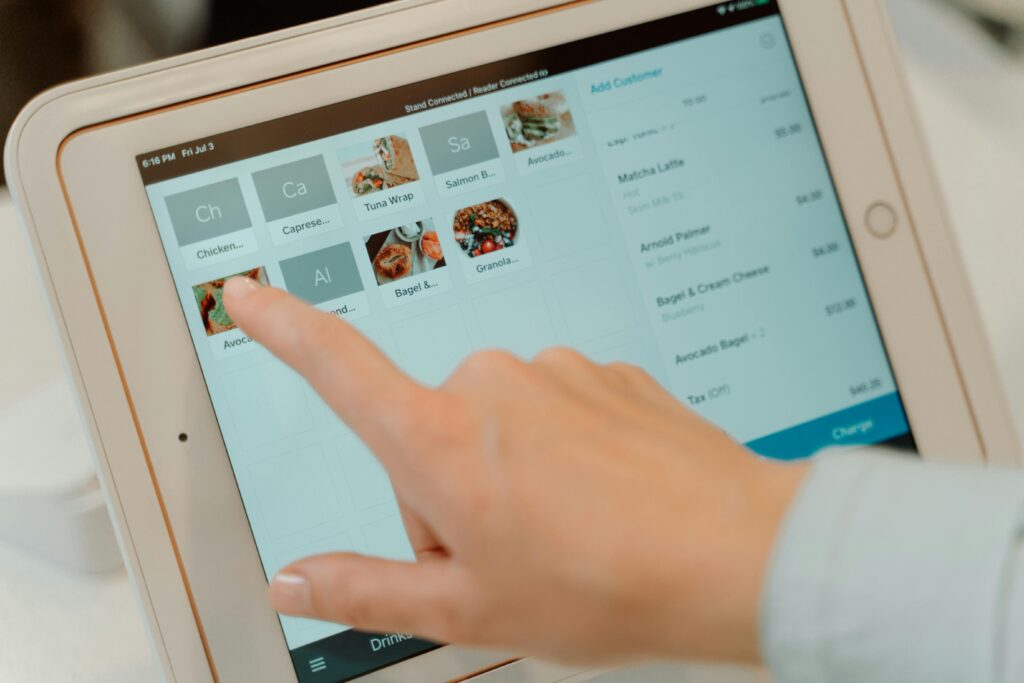
1. POS Systems (Data Source)
Your POS system is the foundation of menu engineering.
It tracks:
- Sales volume
- Item performance
- Revenue
2. Inventory Software (Cost Control)
Inventory tools help calculate:
- Ingredient costs
- Portion usage
- Profit margins
If you haven’t explored this yet, check:
How Restaurant Inventory Software Reduces Food Waste and Saves Costs
3. AI Analytics Tools
AI tools take POS + inventory data and turn it into insights:
- Predict demand
- Optimize pricing
- Recommend menu changes
These tools are becoming essential for modern restaurants.
How to Do Menu Engineering Step-by-Step
Step 1: Collect Data
Use your POS system to gather:
- Sales volume
- Revenue per item
Step 2: Calculate Profitability
Use inventory software to determine:
- Food cost
- Profit margins
Step 3: Categorize Menu Items
Place each item into:
- Star
- Plowhorse
- Puzzle
- Dog
Step 4: Optimize Your Menu
- Promote stars
- Adjust pricing for plowhorses
- Improve visibility for puzzles
- Remove or redesign dogs
Step 5: Use AI for Continuous Optimization
Instead of doing this once:
Use AI tools to:
- Continuously track performance
- Adjust menu in real-time
- Identify trends early
Common Mistakes in Menu Engineering
- Focusing only on sales volume
- Ignoring food costs
- Not updating menu regularly
- Relying on guesswork instead of data
Real Insight: Why Most Restaurants Fail at Menu Optimization
Most operators:
- Don’t connect POS data with inventory costs
- Make decisions based on intuition
- Ignore underperforming items
The result:
Hidden profit loss every month.
🔗 Related Guides
- Toast vs Square POS for Restaurants: Which One Is Better in 2026?
- Best Restaurant POS Systems for Small Businesses (2026)
- How Restaurant Inventory Software Reduces Food Waste and Saves Costs
FAQ
What is menu engineering in restaurants?
It’s a method of analyzing menu items based on profitability and popularity.
Can AI help with menu engineering?
Yes, AI tools can automate analysis and provide actionable insights.
How often should you update your menu?
Ideally every 3–6 months based on performance data.
Is menu engineering worth it for small restaurants?
Yes, even small changes can significantly improve margins.
Final Verdict
Menu engineering is no longer optional—it’s a critical part of running a profitable restaurant.
With the help of AI tools and modern software, restaurants can move from guesswork to data-driven decisions, unlocking higher margins and better performance.