What Actually Works vs What Looks Good on Paper
The Core Truth: Marketing Is Not a Function — It’s a System
Most small restaurant owners treat marketing as:
- promotions
- ads
- posts
But in high-performing chains, marketing is embedded into:
- menu design
- pricing strategy
- operations
- customer journey
That’s why chains scale—and independents struggle.
Industry Shift: Where Demand Is Actually Coming From
The modern customer journey has fundamentally changed:
- Discovery → Social + Google
- Validation → Reviews + content
- Conversion → Convenience + perceived value
Digital channels now dominate restaurant discovery and decision-making, especially through visual platforms and local search behavior
Translation:
If your restaurant is not visible digitally,
you are invisible commercially.
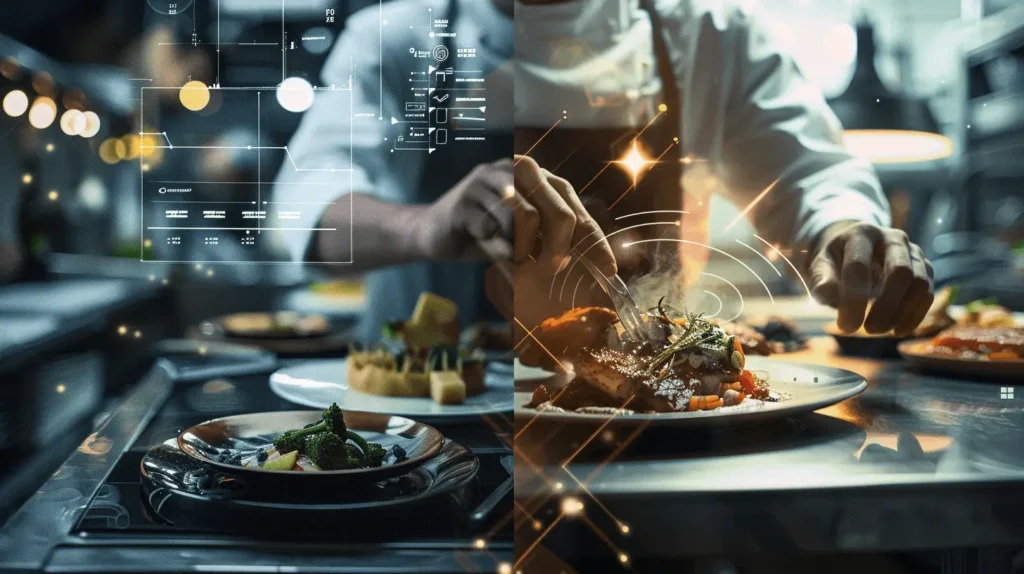
SECTION 1: Chains vs Small Restaurants — Marketing Infrastructure Gap
Structural Difference
| Layer | Big Chains | Small Restaurants |
|---|---|---|
| Strategy | Centralized | Owner-driven |
| Data | Advanced analytics | Limited / none |
| Execution | SOP-driven | Inconsistent |
| Channels | Integrated (app + SEO + ads) | Fragmented |
| Customer tracking | Full lifecycle | Transactional only |
Expert Insight
Large operators are data-first organizations.
They:
- track customer behavior
- segment users
- personalize offers
Small restaurants rely on:
- instinct
- observation
- short-term decisions
This difference alone creates:
predictability vs randomness
SECTION 2: Product-Led Marketing — Why Some Items Sell Themselves
What Chains Actually Do
Chains don’t just create menu items.
They engineer:
- margin structure
- operational efficiency
- visual appeal
Real Example: Menu Simplification
Recent chain strategies show:
- simplifying menus increases speed and profitability
- focusing on high-performing SKUs improves consistency
Example:
Brands like Chili’s improved performance by simplifying menus and focusing on execution
What This Means for You
Most small restaurants:
- try to offer too many items
- dilute kitchen efficiency
- create inconsistent experiences
Best Practice (Copied from Chains)
Build a “Hero SKU System”
Instead of 40 items:
- Focus on 8–12 strong SKUs
- Identify top 3 revenue drivers
- Design those for:
- speed
- consistency
- visual appeal
Comparative Impact
| Approach | Result |
|---|---|
| Large menu (typical SMB) | Complexity + waste |
| Optimized menu (chain model) | Higher margins + faster service |
SECTION 3: Demand Creation — Social Media vs Real Distribution
What Industry Data Shows
Modern diners:
- discover restaurants via content, not ads
- prefer authentic visuals over polished campaigns
Chain Strategy vs Reality
Chains:
- invest in high-budget campaigns
- control messaging tightly
But interestingly:
- many viral products today are driven by organic buzz (not ads)
Example:
- Shake Shack’s viral burger trends show product-led visibility influencing demand
What Small Restaurants Get Wrong
They:
- post static creatives
- copy big brands
- ignore storytelling
What Actually Works (Operator Level)
Build a “Content Capture System”
Instead of “creating content”:
- capture real kitchen moments
- capture customer reactions
- capture product preparation
Pros vs Cons
| Approach | Result |
|---|---|
| Designed content | Low engagement |
| Real-time content | High relatability + reach |
SECTION 4: Local SEO — The Highest ROI Channel Nobody Manages Properly
Reality Check
Search queries like:
- “best burger near me”
- “Chinese Karachi delivery”
represent ready-to-buy customers
Industry Insight
Local SEO works because:
- it captures demand already created
- conversion rates are significantly higher than ads
What Chains Do Differently
Chains:
- maintain updated listings
- manage reviews centrally
- standardize brand presence
What You Should Implement
Local Visibility System:
- Optimize Google Business
- Add real product images
- Respond to every review
- Keep activity consistent
ROI Comparison
| Channel | Cost | Conversion |
|---|---|---|
| Paid Ads | High | Medium |
| Local SEO | Free | High |
SECTION 5: Retention — The Hidden Profit Engine
What Data Shows
Retention marketing:
- increases frequency
- increases average spend
- stabilizes revenue
Real Industry Example
Recent chain focus:
- Chipotle relaunched its loyalty system to drive repeat visits and habitual engagement
Loyalty is now a core growth strategy, not just marketing
What Small Restaurants Ignore
They:
- chase new customers
- ignore repeat behavior
- rely on discounts
Best Practice
Build a Simple Retention Loop:
- Capture phone numbers
- Use WhatsApp broadcasts
- Offer repeat incentives
Impact Comparison
| Strategy | Profitability |
|---|---|
| New customer focus | Low |
| Retention focus | High |
SECTION 6: Value Engineering — The New Marketing Battlefield
Industry Trend
Consumers are:
- more price sensitive
- more value-driven
Chains are responding by:
- offering smaller portions
- optimizing pricing tiers
Expert Insight
Marketing is shifting from:
“premium storytelling”
To:
“perceived value optimization”
What You Should Do
Instead of discounts:
- create value bundles
- redesign portion sizes
- improve perceived value
SECTION 7: The Real Growth Equation (Used by Chains)
Let’s simplify everything:
Growth =
(Visibility × Conversion × Retention)
Where Small Restaurants Fail
| Stage | Problem |
|---|---|
| Visibility | weak content + SEO |
| Conversion | poor product positioning |
| Retention | no system |
Where Chains Win
| Stage | Strength |
|---|---|
| Visibility | massive reach |
| Conversion | optimized menu |
| Retention | loyalty systems |
FINAL: The Hybrid Model (What Actually Wins in 2026)
The smartest operators today are not copying chains blindly.
They are combining:
From Chains:
- data-driven thinking
- menu engineering
- consistency
From Independents:
- authenticity
- flexibility
- local connection
PRACTICAL IMPLEMENTATION (REALISTIC)
Week 1–2
- Identify top SKUs
- Fix product visuals
- Optimize Google listing
Week 3–4
- Start content system
- Push reviews
- track repeat customers
Month 2+
- Introduce retention loop
- analyze performance
- refine menu
FINAL OPERATOR VERDICT
If you’re running a small restaurant:
You don’t need:
- more ads
- more influencers
- more discounts
You need:
better systems, sharper focus, and disciplined execution
The Real Truth
Big chains don’t win because they are bigger.
They win because:
they remove randomness from growth
Explore more details related to the new business:
- How to Rank Your New Restaurant on Google Maps (Step-by-Step Guide for 2026)
- How to Increase Restaurant Orders Without Discounts (Smart, Proven Strategies for 2026)
- How to Promote Your Restaurant Without Paid Ads (2026 Organic Growth Playbook)
- Best Low-Cost Restaurant Inventory Software for Startups (2026 Guide)