Running a small restaurant isn’t just about food anymore.
It’s about juggling inventory, staff, orders, suppliers, costs, and customer expectations—all at the same time, every single day.
And here’s the truth most owners don’t realize early enough:
You’re not losing money because of bad food.
You’re losing it in broken operations.
The good news?
In 2026, you don’t need a big team to fix this.
You need the right operations tools.
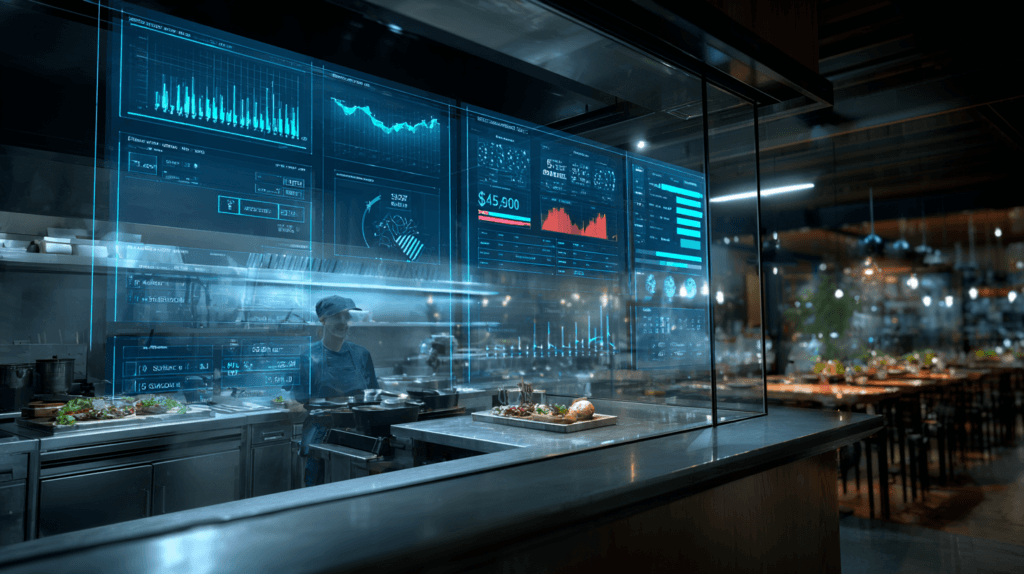
What “Operations Tools” Actually Mean for Restaurants
Before we jump into tools, let’s simplify this.
Restaurant operations = everything happening behind the scenes:
- Order management
- Inventory tracking
- Staff scheduling
- Kitchen coordination
- Cost control
- Reporting & analytics
If even one of these breaks, your margins get hit.
The tools below are designed to fix exactly that.
The Best Restaurant Operations Tools (2026)
We’re not listing random software here.
These are tools that:
- Save real time
- Improve decision making
- Directly impact profitability
1. All-in-One POS + Operations Platforms
Best for: Complete control in one system
These tools combine:
- Billing
- Inventory
- Reporting
- Staff management
Why it matters:
Instead of using 5 different tools, you run everything from one dashboard.
What you gain:
- Real-time sales tracking
- Daily profit visibility
- Faster decision making
Watch out:
- Can be expensive
- Requires proper setup
Best for: Growing SMB restaurants scaling beyond 1–2 branches
2. Inventory Management Software
Best for: Reducing food cost leakage
This is where most small restaurants bleed money.
Without proper tracking:
- Over-ordering
- Wastage
- Theft
- Price fluctuations
All go unnoticed.
What these tools do:
- Track ingredient usage
- Auto-calculate food cost
- Alert low stock
- Compare theoretical vs actual consumption
Real impact:
- 3–8% cost savings easily achievable
If you only pick ONE tool from this list—make it this.
3. Staff Scheduling & Workforce Tools
Best for: Fixing overstaffing & chaos shifts
Common issues:
- Too many staff during slow hours
- Too few during rush
- Last-minute absences
These tools help you:
- Schedule based on demand
- Track attendance
- Optimize labor cost
Why it matters:
Labor is your second biggest cost after food.
Small optimization = big margin improvement
4. Online Ordering & Delivery Management Systems
Best for: Increasing direct revenue
Relying only on platforms like Foodpanda or Uber Eats?
You’re losing:
- Margins
- Customer data
- Repeat business
These tools allow:
- Direct website/app orders
- Integrated delivery tracking
- Customer database building
Impact:
- Higher margins (no commission)
- Stronger brand control
5. Kitchen Display Systems (KDS)
Best for: Faster kitchen execution
If your kitchen still runs on paper tickets…
You’re already behind.
KDS replaces:
- Printed tickets
- Verbal coordination
With:
- Digital order screens
- Real-time updates
- Order prioritization
Result:
- Faster service
- Fewer mistakes
- Better team coordination
6. Reporting & Analytics Tools
Best for: Smarter decision making
Most small restaurant owners operate on gut feeling.
That’s risky.
These tools show:
- Best-selling items
- Peak hours
- High-margin products
- Slow-moving inventory
Why it matters:
You stop guessing… and start optimizing.
7. AI-Powered Demand Forecasting Tools
Best for: Advanced operators (your level)
This is where things get interesting.
AI tools can:
- Predict demand
- Optimize purchasing
- Reduce waste
- Improve prep planning
Example use-case:
Instead of guessing Friday demand…
You know:
- Exact expected orders
- Required prep
- Staff requirement
This is how modern restaurants scale profitably.
Comparison Table (Quick Decision Guide)
| Tool Type | Main Benefit | Cost Level | Impact Level |
|---|---|---|---|
| POS + Operations | All-in-one control | Medium–High | ⭐⭐⭐⭐ |
| Inventory Software | Reduce food cost | Low–Medium | ⭐⭐⭐⭐⭐ |
| Staff Scheduling | Lower labor cost | Low | ⭐⭐⭐ |
| Online Ordering | Increase margins | Medium | ⭐⭐⭐⭐ |
| Kitchen Display System | Faster service | Medium | ⭐⭐⭐ |
| Analytics Tools | Better decisions | Low | ⭐⭐⭐⭐ |
| AI Forecasting | Predict & optimize | Medium–High | ⭐⭐⭐⭐⭐ |
Biggest Mistakes Small Restaurant Owners Make
Let’s be real for a second.
Most operators:
- Try to manage everything manually
- Delay investing in tools
- Only react when problems become big
Result?
- High food cost
- Staff inefficiencies
- Burnout
What You Should Actually Do (Simple Plan)
Don’t overcomplicate this.
Step 1:
Start with inventory software
Step 2:
Add POS system with reporting
Step 3:
Layer in:
- Scheduling
- Online ordering
Step 4 (advanced):
Move to AI forecasting
Final Thoughts
Running a small restaurant will never be “easy.”
But it can be efficient.
And the difference between:
- A struggling restaurant
- And a profitable one
Is usually not food.
It’s operations.
The right tools don’t just save time—they give you control.