Running a restaurant in 2026 is no longer just about food quality or location.
It’s about control.
Control over:
- Food costs
- Staff productivity
- Order flow
- Customer experience
- Daily decision-making
And here’s the uncomfortable truth most small and medium restaurant owners don’t realize early enough:
The difference between a 10% margin and a 20% margin is rarely the menu.
It’s operations.
Today, the restaurants that are scaling profitably are not working harder.
They’re working smarter—with the right tools.
Why “Smart Operations” Is the New Competitive Advantage
A few years ago, restaurant tech was optional.
Today, it’s survival.
Manual processes lead to:
- Wastage you don’t track
- Staff inefficiencies you can’t measure
- Decisions based on gut instead of data
Meanwhile, your competitors are:
- Automating inventory
- Forecasting demand using AI
- Tracking real-time performance
If you’re still running operations on spreadsheets or WhatsApp coordination…
You’re already behind.
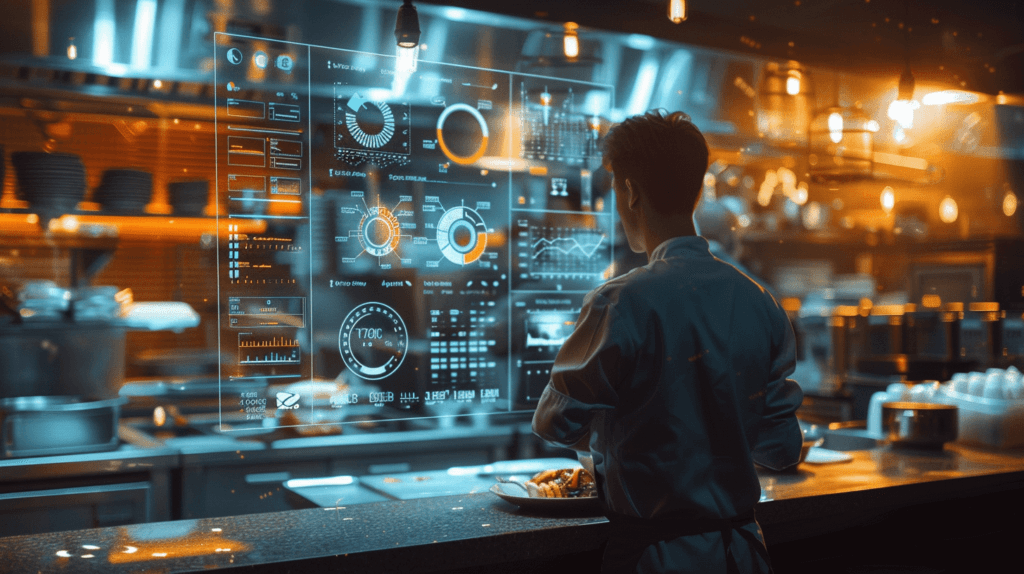
What Counts as a “Smart Operations Tool”?
Before we dive into tools, let’s simplify the concept.
A smart operations tool does one (or more) of these:
✔ Automates repetitive tasks
✔ Gives real-time visibility
✔ Reduces human error
✔ Improves decision-making
The goal is simple:
Less chaos. More control.
The Most Important Smart Restaurant Operations Tools (2026)
This isn’t a random list.
These are tools that actually impact:
- Profitability
- Efficiency
- Scalability
1. Smart POS Systems (The Brain of Your Restaurant)
Your POS is no longer just a billing machine.
Modern POS systems act as your central control system.
They integrate:
- Sales tracking
- Inventory updates
- Staff performance
- Customer data
What makes it “smart”?
- Cloud-based access
- Real-time reporting
- Integration with delivery + inventory tools
Why it matters:
Without this, you’re running blind.
If you’re evaluating options, check our detailed breakdown:
Best POS Systems for Small Restaurants (2026 Guide)
2. Inventory & Food Cost Management Tools
This is where most SMB restaurants quietly lose money.
Without proper systems:
- Over-portioning goes unnoticed
- Wastage isn’t tracked
- Theft is invisible
- Supplier price changes aren’t reflected
Smart tools help you:
- Track ingredient-level consumption
- Calculate real-time food cost
- Compare theoretical vs actual usage
- Set alerts for stock levels
Real impact:
Even a 3–5% reduction in food cost can significantly increase profit.
Deep dive here:
How Restaurant Inventory Software Reduces Food Waste and Saves Costs
3. AI-Powered Demand Forecasting Tools
This is where the industry is heading.
Instead of guessing:
- How much to prep
- How many staff to schedule
- What inventory to order
AI tools predict it.
What they analyze:
- Historical sales
- Day-of-week trends
- Seasonal patterns
- External demand signals
Result:
- Less wastage
- Better prep planning
- Smarter staffing
Learn more:
AI Demand Forecasting in Restaurants: How It Works
4. Staff Scheduling & Workforce Optimization Tools
Labor is your second biggest cost after food.
And yet, most SMB restaurants still schedule staff based on:
- Habit
- Guesswork
- Last week’s patterns
Smart scheduling tools:
- Align staffing with demand
- Track attendance
- Reduce overtime
- Optimize shifts
Why it matters:
Even small inefficiencies in staffing can eat into margins quickly.
5. Online Ordering & Direct Channel Systems
If your restaurant depends entirely on third-party platforms…
You’re giving away:
- Margins
- Customer data
- Brand control
Smart ordering tools enable:
- Direct website/app orders
- Integrated delivery tracking
- Customer data collection
Impact:
- Higher profitability
- Stronger repeat business
Explore options:
Best Online Ordering Systems for Restaurants in 2026
6. Kitchen Display Systems (KDS)
Still using printed tickets in your kitchen?
That’s slowing you down.
KDS replaces:
- Paper tickets
- Verbal miscommunication
With:
- Digital order screens
- Real-time updates
- Order prioritization
Result:
- Faster service
- Fewer mistakes
- Better coordination
7. Restaurant Analytics & Reporting Tools
Most small restaurant owners rely on instinct.
The best ones rely on data.
Smart analytics tools show:
- Top-selling items
- High-margin products
- Peak hours
- Underperforming menu items
Why it matters:
You stop guessing—and start optimizing.
For a deeper strategy:
Restaurant Menu Engineering Guide (with AI & Tools)
8. Integrated Automation Platforms (The Future Stack)
The real power comes when tools are connected.
Example:
- POS updates inventory
- Inventory triggers purchase alerts
- Forecasting adjusts prep
- Scheduling aligns staff
All automatically.
This is where true operational efficiency happens.
Quick Comparison: What to Prioritize First
| Tool | Priority | Impact | Complexity |
|---|---|---|---|
| Inventory Software | ⭐⭐⭐⭐⭐ | Very High | Medium |
| POS System | ⭐⭐⭐⭐ | High | Medium |
| Online Ordering | ⭐⭐⭐⭐ | High | Medium |
| Scheduling Tools | ⭐⭐⭐ | Medium | Low |
| KDS | ⭐⭐⭐ | Medium | Medium |
| AI Forecasting | ⭐⭐⭐⭐⭐ | Very High | High |
Common Mistakes SMB Restaurant Owners Make
Let’s be honest—most operators:
- Delay investing in tools
- Try to manage everything manually
- Only act when problems become visible
By then, it’s already expensive.
A Practical Roadmap (What You Should Actually Do)
Don’t try to implement everything at once.
Step 1:
Start with inventory management
Step 2:
Upgrade to a smart POS system
Step 3:
Add:
- Online ordering
- Scheduling tools
Step 4:
Move to AI forecasting + automation
Final Thoughts
Restaurants don’t fail because of food.
They fail because operations become too complex to manage manually.
The smartest operators in 2026 are not:
- The busiest
- The most experienced
They’re the ones with the best systems.
Smart tools don’t replace people.
They make your people more effective.